Seven years in product, five of them in crypto: exchanges, wallets, DeFi, a Layer-1. I like the part where a vague ambition becomes a thing people use.
Six case studies below, and the kinds of PM work they prove. Each one goes context, problem, approach, decision, outcome, and what I would do differently.
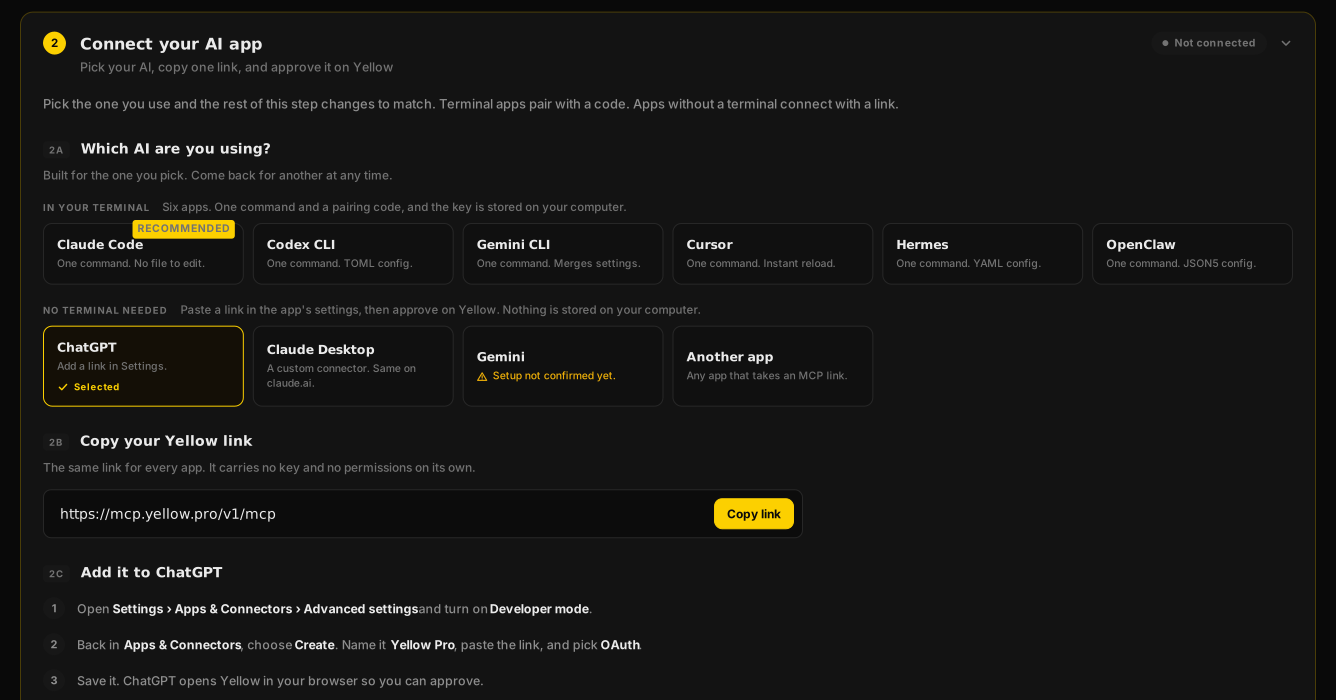
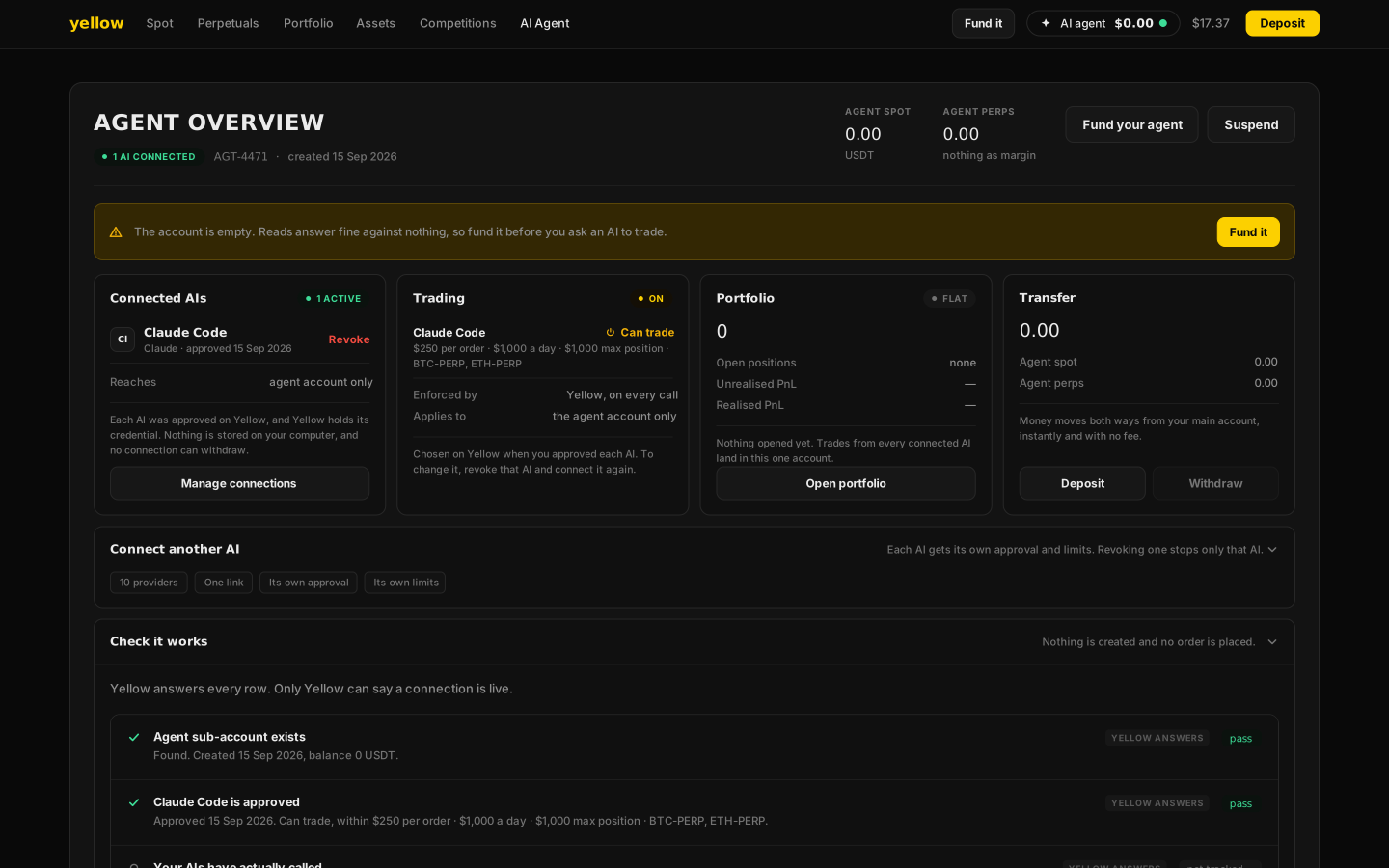
An open-source MCP server, isolated agent accounts and an onboarding a non-developer can finish. Yellow.pro, 2026.
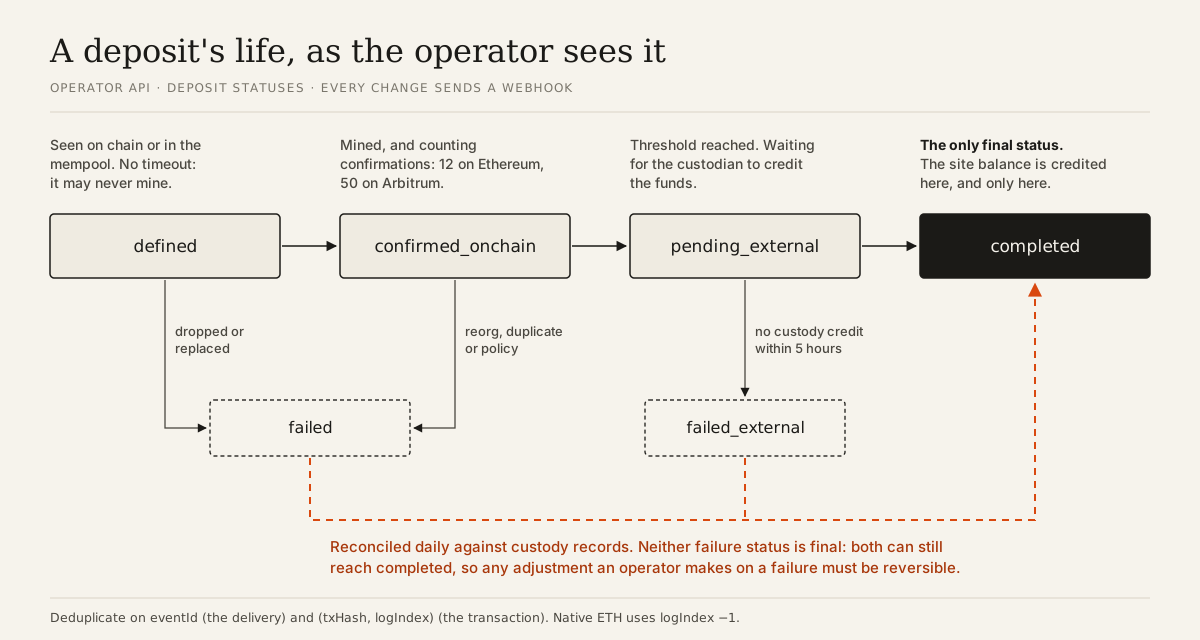
Reconciling an integration guide with its OpenAPI contract, a production UAT, a 73-scenario stage environment, and a compliance design where the platform supplies data, not decisions. Client anonymised.
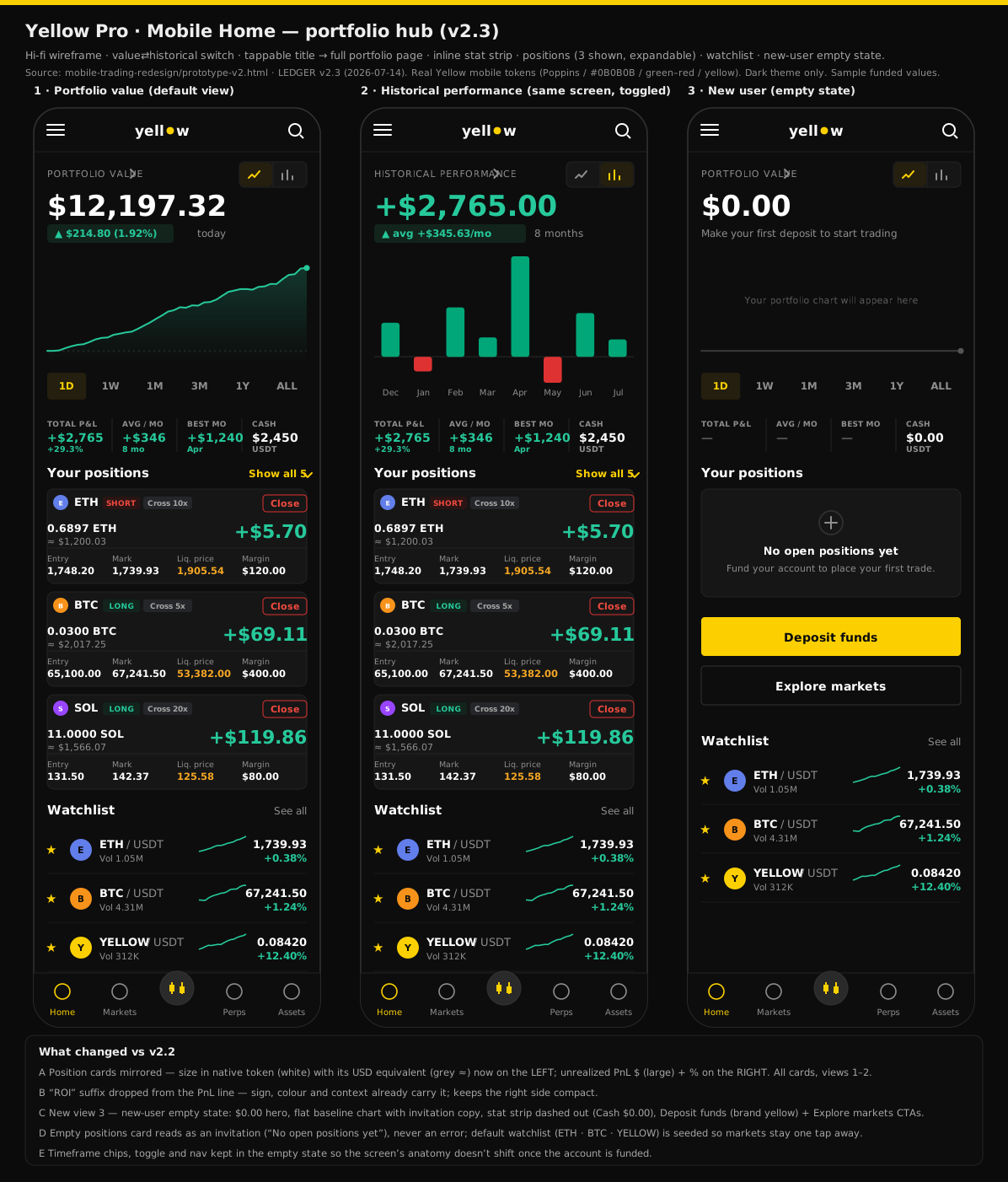
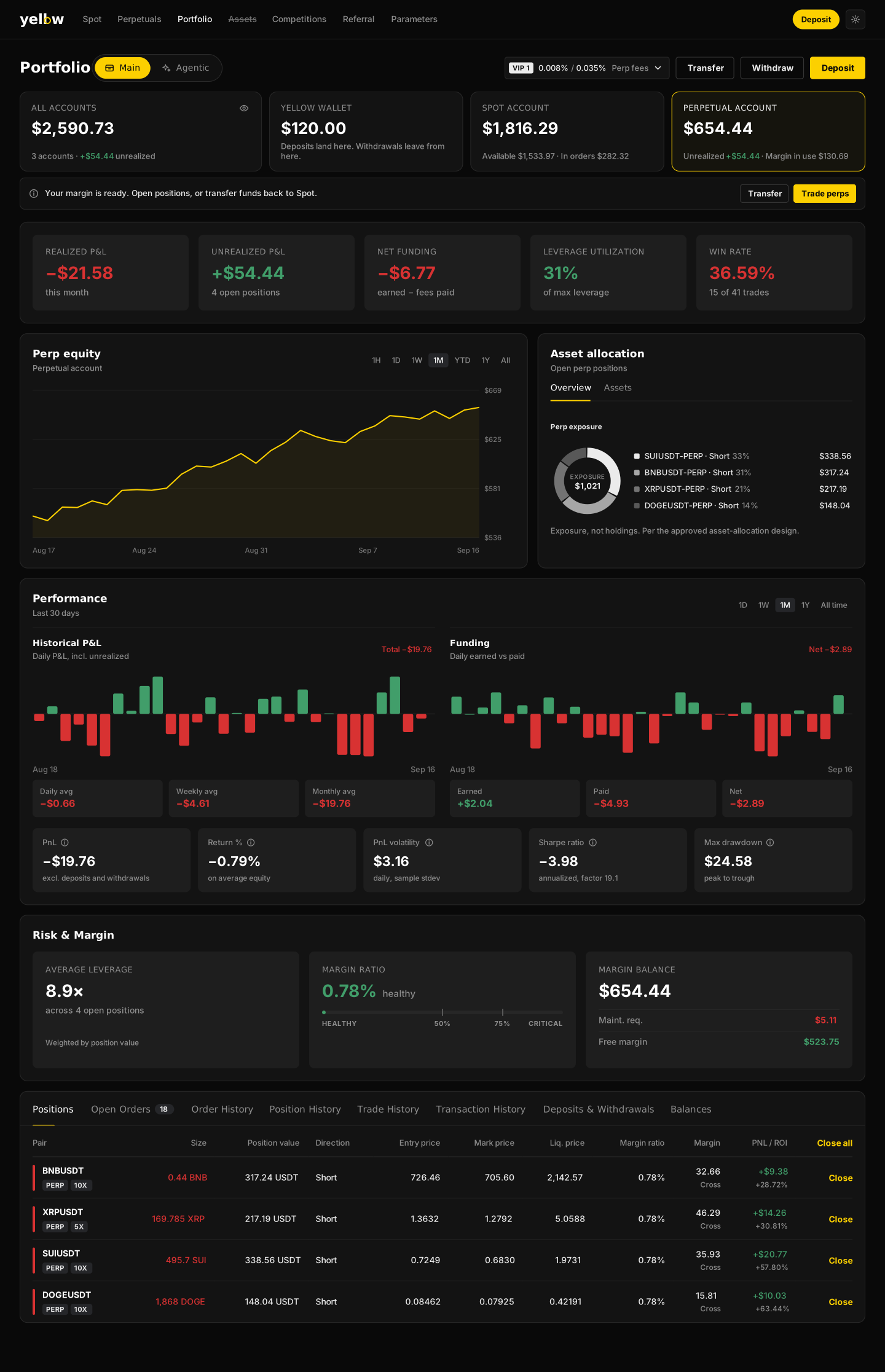
Managing the redesign of Yellow's Portfolio page and folding the Assets page into it: five views, fifty specced states, one place for your money.

Yellow's first public front door, plus Fees and Markets pages: positioning, copy rules and geo routing, from brief to build-ready tickets.

Taking a wallet's swap funnel apart, betting on the right three fixes, and putting the number on an alert. Best Wallet, 35,000 MAU.
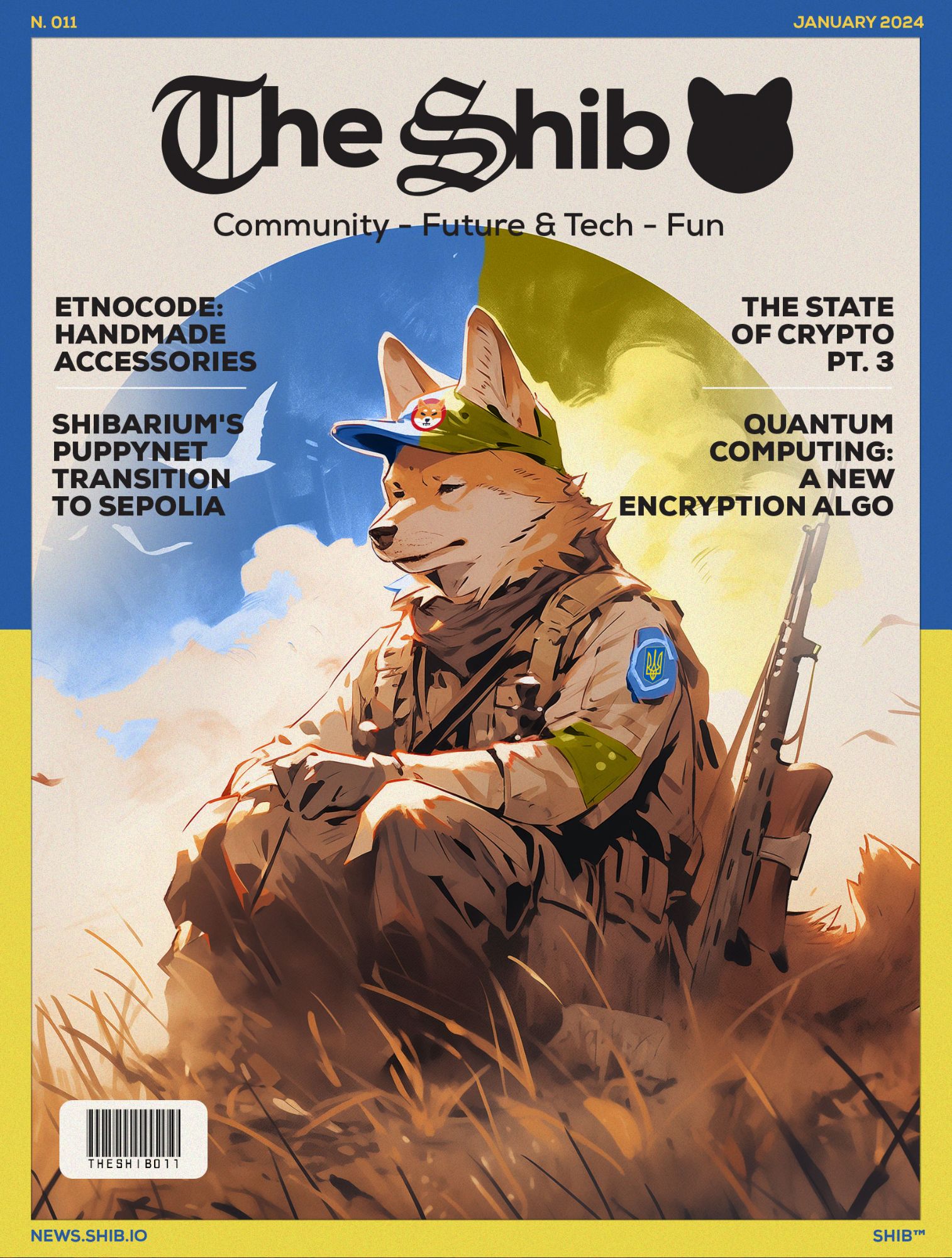
A media product launched inside a crypto community: a weekly edition whose cover dropped as a free NFT, 50K subscribers in under three months, mostly organic, and $30K a month from sponsors.
Takes a vague ambition to a first version people use.
Finds where a funnel leaks and bets on the fixes that move the number.
Gets a hard, multi-team thing over the line on a date.
Talks to users and the data before writing a requirement.
Owns APIs, protocols and the contract engineers build against.
Builds AI products, and builds product work with AI.
I run my product work through about a dozen specialist Claude Code agents, each owning one phase. I make the calls. They do the legwork, and they check each other.
It started as a handful of prompts. Now I maintain it like a product, with versions, a changelog and a monthly audit. This is the shape of it, without the internals.
One front door reads the request and hands it to the right specialist, so every task starts with the right templates and the right facts.
Before any draft, a short round of questions with my recommended answer first. Whatever the brief already answers gets skipped. For big bets, a "grill me" mode challenges every assumption.
Wireframes at three depths, from a quick sketch to a full studio session with checkpoints. It ends at an approved prototype and a list of locked decisions.
The approved design becomes a flow map, a spec and tickets with acceptance criteria, sliced into an order the team can actually ship.
Prototypes go to a shareable preview link. Code changes are reviewed by an agent that never saw the conversation that wrote them. Failed checks are fixed and retested, only the failed ones, at most twice before I step in.
A reviewer with fresh context scores the work against a written rubric; two rounds, then a human call. Then the update, debrief or questionnaire, written for the people who weren't in the room.
Each product gets a knowledge base: API specs, glossary, decisions. Facts come from there, never from the model's memory.
Finished work goes to a reviewer with fresh context and a rubric. The agent that wrote something never grades it, and one file holds the state of every gate.
The hard rules live in code, not only in prompts. Anything that touches money, production or a public channel waits for my yes.
Decisions I lock flow back into the knowledge base. The system gets a weekly health check, a weekly regression run against a fixed set of tasks, and a monthly audit. Client work is fenced: one client's knowledge cannot load in another's session.
I use the product before I write about it. At Yellow that means trading through my own MCP connector with real money; most of my best requirements started as something that annoyed me at small size.
I write the reason next to the decision, so it can be reversed cheaply when I am wrong. I would rather ship a narrow thing that is safe than a broad thing that is impressive.
And I work AI-natively: the agent system above takes an idea to a build-ready ticket in hours instead of days, and leaves me the time for the parts that need judgment.
Before crypto: digital strategy at Schneider Electric in Boston. Double Master in International Management (ICN, Uppsala, Bologna). Twice winner of the Cosmoverse hackathon. Has hiked to Everest Base Camp; did not enjoy the altitude.
© 2026 Joris Colleret · Crestline Product Labs. Work shown is my own product work; proprietary details are removed or generalised. Brands belong to their owners.
