
The Shib: a magazine from zero to 50,000 subscribers in under three months
How I conceived, built and launched a weekly magazine inside a crypto community: every edition's cover dropped as a free NFT, almost entirely organic growth, and $30K a month in sponsorship revenue.
- Role
- Product Manager: concept, product, launch and growth
- Outcome
- 50Ksubscribers in under 3 months
- Revenue
- $30Kper month, sponsored placements
- Proves
- 0→1 under ambiguity, growth loops, monetisation
01Context
I was Product Manager at Shiba Inu from June 2023 to December 2024, across a Web3 product suite: the ShibaSwap DEX, DAO tooling, and what became its media arm. Shiba Inu has one of the largest communities in crypto, and almost all of its attention lived on platforms the project did not own: X, Telegram, Discord.
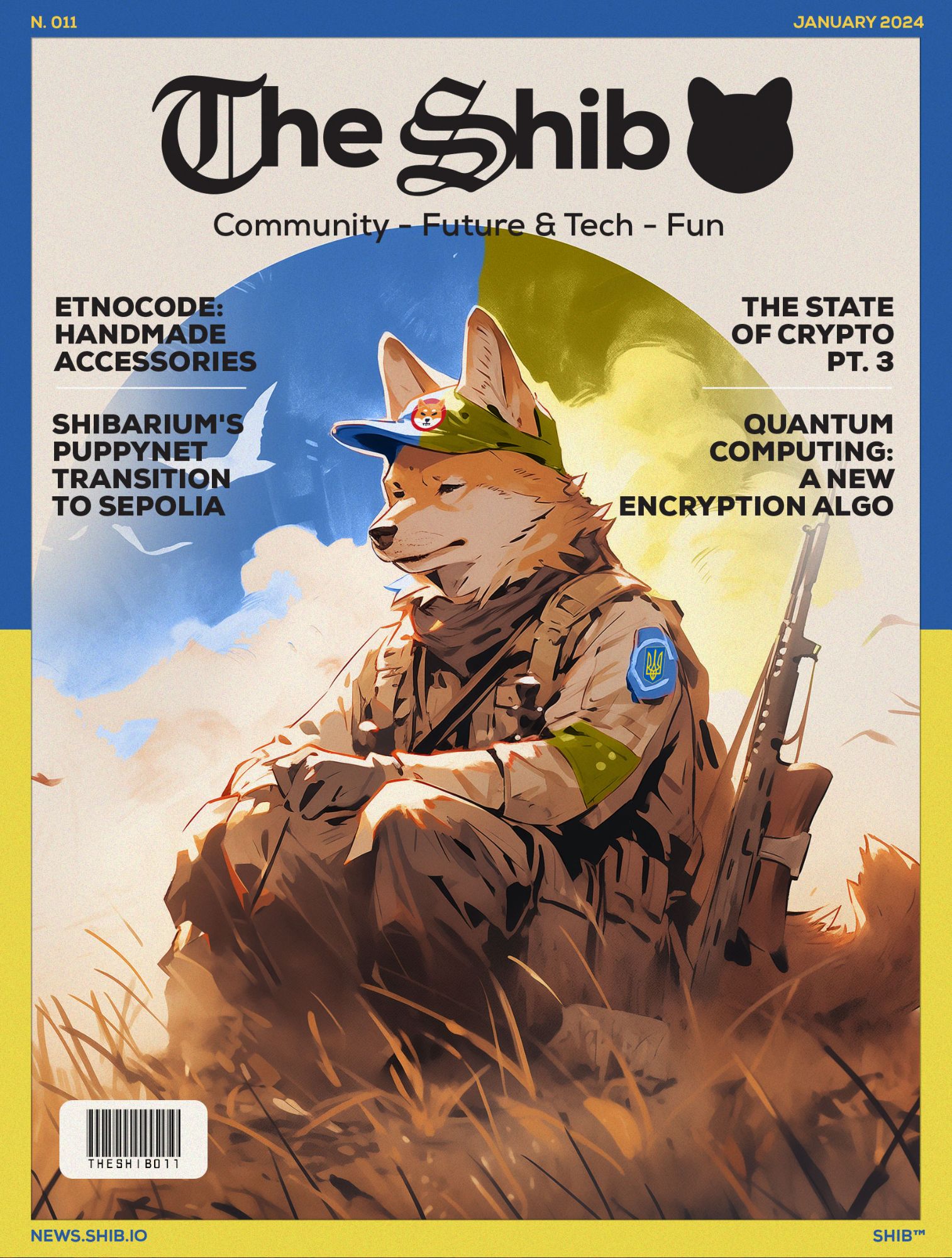
The Shib was my 0→1 there: a magazine for the ecosystem, under the banner "Community · Future & Tech · Fun", published at news.shib.io. It ran weekly for over eight months. Small team, no media background in the room, and almost no budget for paid acquisition.
02Problem
User pain. Holders had no trustworthy, readable source on what the ecosystem was actually building. News arrived as rumours in group chats and threads, mixed with scams and price noise. Technical updates such as the Shibarium network releases reached developers and nobody else.
Business pain. A community that large, and the project owned no direct channel to it: every announcement depended on someone else's algorithm. There was also no revenue line that did not depend on the token price.
03Approach
I treated it as a product, not a content calendar: who is the reader, what is the habit, what is the loop that brings the next reader, and what would someone pay for.
| Option | For | Against |
|---|---|---|
| A blog on the existing site | Cheap, fast | No habit, no subscriber list, nothing to collect or share |
| A plain email newsletter | Owned channel | Looks like every other crypto newsletter; no reason to tell a friend |
| A magazine with editions, covers and a collectible | An edition is an event; a cover is shareable; a collectible gives a crypto-native reason to sign up and come back every week | More production effort per issue; needs a consistent editorial and visual identity |
The bet: make each edition something you can own. Every issue has an illustrated cover, and every cover was dropped as a free NFT to readers. Free mattered: it rewarded attention rather than spending, and it turned each new issue into a moment the community announced for us.
04Decision
- Weekly editions, numbered and dated, with a fixed editorial spine: community stories, future and tech explainers, and fun. Ecosystem news sits next to broader pieces, so it reads as a magazine rather than a press office.
- A cover worth collecting. One illustrated cover per edition in a consistent masthead, designed to be recognised in a feed at thumbnail size.
- A free NFT drop of the cover with every edition. Collect the set, prove you were an early reader. Claiming needed only a wallet or a Google account: no payment, no paid subscription. The lowest possible bar, and each claim was a reader we could reach again.
- Organic, community-led distribution. Very little paid acquisition. The community, the covers and the weekly drops were the channel.
- Free to read, paid for by sponsors. Revenue came from sponsored placements in the magazine. Readers never paid, which kept the growth loop intact.
05Outcome
For the first time the project had a direct, owned line to its community, and a revenue stream independent of the token price. The magazine shipped every week for more than eight months.
What surprised me. The NFT did more for retention than for acquisition. People signed up for the first cover, but they came back because they did not want a gap in the set.
Also at Shiba Inu, as secondary tracks alongside the magazine:
- Uniswap V2 → V3 liquidity migration for ShibaSwap, delivered end to end in under 60 days: technical scoping, engineering alignment and liquidity-provider coordination. +15% TVL on a $20M asset base.
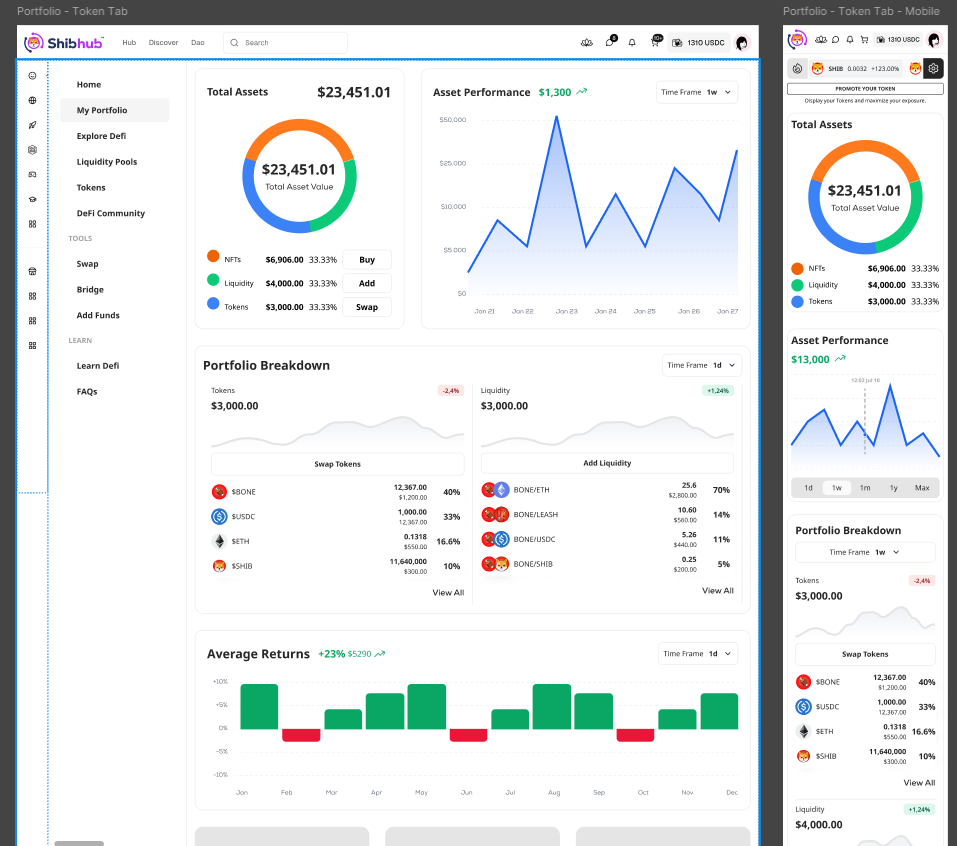
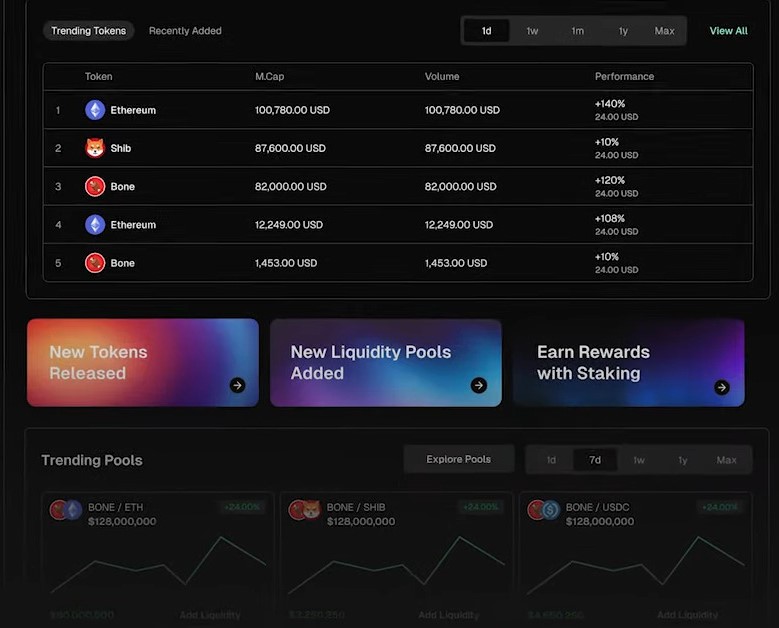
- ShibaSwap and Shibhub design improvements, grounded in usability testing and competitive benchmarking: a portfolio view, trending tokens and pools, desktop and mobile together. +30% retention and +20% new-user activation within 30 days, validated by cohort analysis.
06Reflection
I would instrument the funnel from the first edition: cover view, sign up, claim, open the next issue. We knew the headline numbers quickly, but it took too long to learn which cover lines and which drops actually moved them.
And I would diversify revenue earlier. Sponsored placements scale with audience, but they also depend on the market mood of a handful of ecosystem sponsors. A second line, such as premium editions or paid collectibles, should have been tested while growth was at its peak.